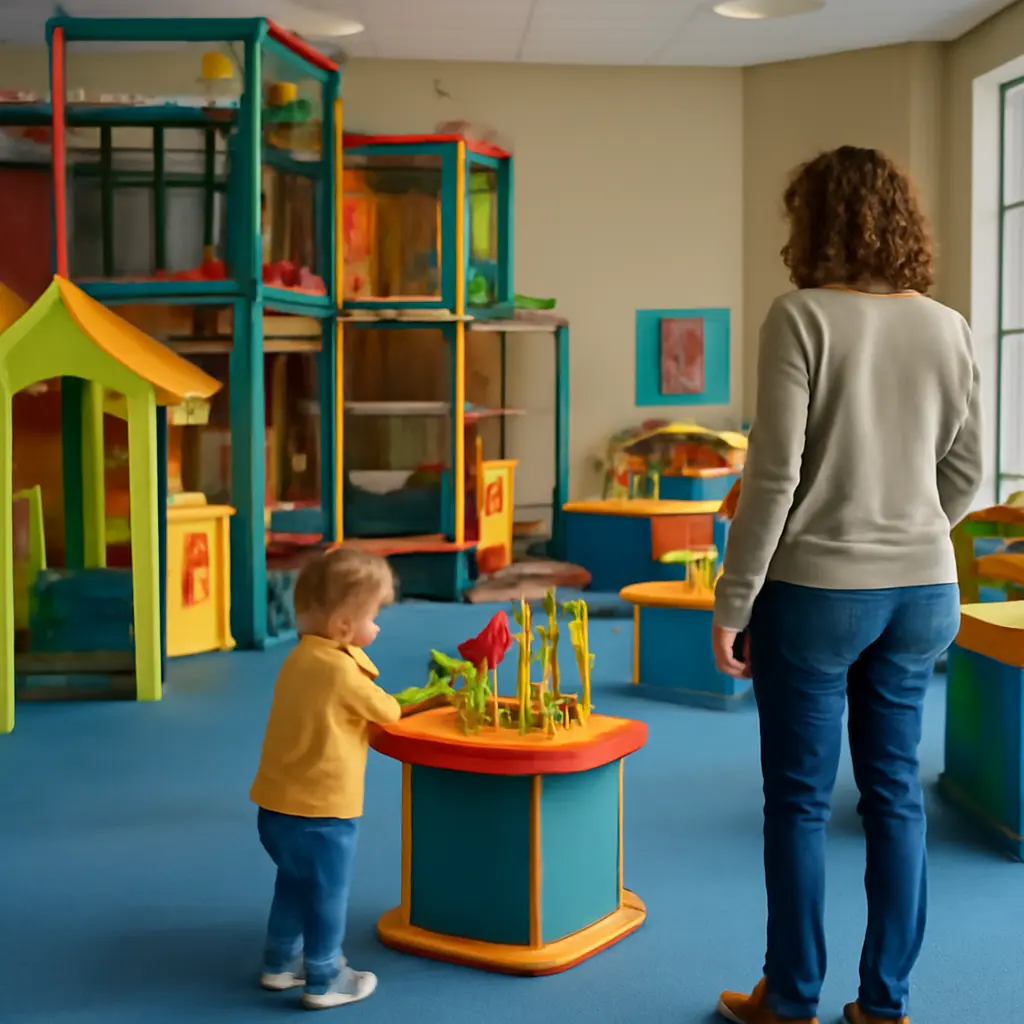
Children’s entertainment areas are dedicated spaces where kids can play, explore, and take part in age-appropriate activities while families visit a larger destination. The strongest options we reviewed this season combine engaging play with practical essentials such as clear age guidance, accessible routes, seating, and visible safety rules. Because “best” depends on a child’s age and a family’s needs—and facilities can change—we assessed these areas by their publicly documented features rather than claiming a controlled, hands-on inspection of every venue. The selections below cover indoor discovery, imaginative play, nature-based adventure, and large-scale family attractions, with safety and accessibility considerations to help families choose.
What makes a children’s entertainment area stand out
A children’s entertainment area is a designated play or activity environment intended to support children’s recreation, learning, or social interaction. The U.S. Consumer Product Safety Commission (CPSC) distinguishes public playground equipment from toys and home-use equipment, and provides safety guidance for public playground operators and caregivers. For families comparing venues, that definition points to a useful distinction: an attractive play structure is only one part of the experience; supervision, maintenance, age-appropriate design, and access also matter.
We considered four practical dimensions: variety of activities, suitability for different ages, ease of family use, and the availability of safety and accessibility information. These are comparison criteria, not a formal inspection or certification. Before visiting, check the venue’s current hours, admission rules, age or height limits, and any temporary closures.
Indoor discovery and learning
Indoor children’s museums and discovery centers pair hands-on play with exhibits that encourage experimentation, role-play, and making. The Association of Children’s Museums describes children’s museums as institutions committed to serving children and families through exhibits and programs that stimulate learning. That makes them a strong choice when families want a weather-proof outing with more than a single play structure.
Standout example: Please Touch Museum, Philadelphia. Its child-focused, interactive approach makes it a notable option for younger visitors who learn through pretend play and exploration. Families should consult the museum’s current visitor information for exhibit availability, timed-entry arrangements, and accessibility services before traveling.
Imaginative role-play
Role-play areas let children try adult roles—such as shopping, cooking, or working—in a miniature setting. These spaces can support storytelling, cooperation, and social learning, while giving children a clear activity structure. They work especially well for preschool and early elementary ages, though the ideal age range depends on the venue’s design and rules.
Standout example: LEGOLAND Discovery Center locations. These indoor family attractions combine construction play with themed rides and activities. Their mix can suit families looking for a compact, varied visit; check the specific location’s age guidance, admission conditions, and attraction restrictions, since offerings differ across sites.
Outdoor and nature-based adventure
Nature play areas use features such as climbing elements, water, sand, and planting spaces to encourage active, open-ended play. Compared with a fixed indoor attraction, outdoor areas can offer more room to move and a stronger connection to the surrounding landscape, but families should account for weather, surfaces, shade, and seasonal maintenance.
Standout example: Brooklyn Children’s Museum’s outdoor play offerings, New York. The museum’s combination of indoor exhibits and outdoor experiences can make it an appealing choice for families seeking both exploration and active play. Confirm which outdoor spaces are open on the intended visit date and whether weather affects programming.
Large-scale themed attractions
Theme parks and destination attractions provide the broadest range of entertainment, often combining play zones with rides, shows, and character experiences. Their scale can suit mixed-age groups, but height requirements, queues, walking distances, and admission costs make advance planning especially important.
Standout example: Sesame Place Philadelphia. The park is built around a family-oriented theme and offers a mix of rides, shows, and play experiences. Its appeal is strongest for families who want a full-day destination; review the park’s current accessibility guide, ride restrictions, operating calendar, and available quiet or sensory-support services before going.
How to compare safety, access, and family convenience
The best match is not necessarily the largest or most elaborate space. A nearby, well-maintained play area with suitable equipment may be more useful than a major attraction that does not fit a child’s age, sensory needs, or energy level. The following checks help turn a shortlist into a practical decision.
Safety and age suitability
CPSC playground guidance advises caregivers to supervise children, select equipment suited to their age and ability, and check for hazards such as damaged equipment or unsafe surfacing. Public playground safety also depends on inspection and maintenance by the operator. Look for posted age ranges and rules, and remember that a venue’s general safety information does not replace a caregiver’s judgment about a particular child.
Accessibility and sensory needs
Accessibility includes more than step-free entry: families may also need accessible play components, rest areas, clear wayfinding, companion facilities, or sensory supports. The U.S. Access Board’s playground accessibility standards address accessible routes and ground-level and elevated play components at covered facilities. Since implementation varies by site, ask the venue directly about the features that matter to your family.
Planning a smoother visit
Before setting out, verify opening times, ticketing, parking or transit, food policies, stroller access, and rules for re-entry. For popular attractions, timed admission and seasonal schedules can affect the day substantially. Families with toddlers may prioritize bathrooms and quiet breaks; families with older children may care more about climbing challenges, longer activities, or age-appropriate independence.
Our picks by family outing
- For hands-on learning: Please Touch Museum, for interactive, child-centered exploration.
- For themed indoor variety: LEGOLAND Discovery Center, for construction play alongside other family activities.
- For a museum visit with outdoor play: Brooklyn Children’s Museum, subject to seasonal availability.
- For a full-day themed destination: Sesame Place Philadelphia, with current ride, access, and operating details checked in advance.
These are examples rather than a universal ranking: the best choice depends on location, a child’s age and interests, and the services available on the day of the visit. A useful comparison chart would score each candidate on activity variety, age fit, accessibility information, indoor or outdoor setting, and visit-planning convenience; those criteria are more meaningful to families than a single overall score.
Conclusion
The strongest children’s entertainment areas bring together engaging activities, age-appropriate design, and practical support for caregivers. Indoor discovery centers offer hands-on learning; role-play spaces encourage imagination; outdoor areas invite active exploration; and themed attractions provide a broader day out. Safety, accessibility, and current operating details should guide the final choice just as much as the attraction itself. Check official venue information before visiting, and use CPSC and U.S. Access Board guidance to ask informed questions about play environments.
Sources: U.S. Consumer Product Safety Commission, Public Playground Safety Handbook, https://www.cpsc.gov/s3fs-public/325.pdf; Association of Children’s Museums, About Children’s Museums, https://www.childrensmuseums.org/about/; U.S. Access Board, Accessible Play Areas, https://www.access-board.gov/ada/guides/chapter-10-play-areas/; Please Touch Museum, Plan Your Visit, https://www.pleasetouchmuseum.org/; LEGOLAND Discovery Center, Locations and Visitor Information, https://www.legolanddiscoverycenter.com/; Brooklyn Children’s Museum, Visit, https://www.brooklynkids.org/visit/; Sesame Place Philadelphia, Plan Your Visit, https://sesameplace.com/philadelphia/