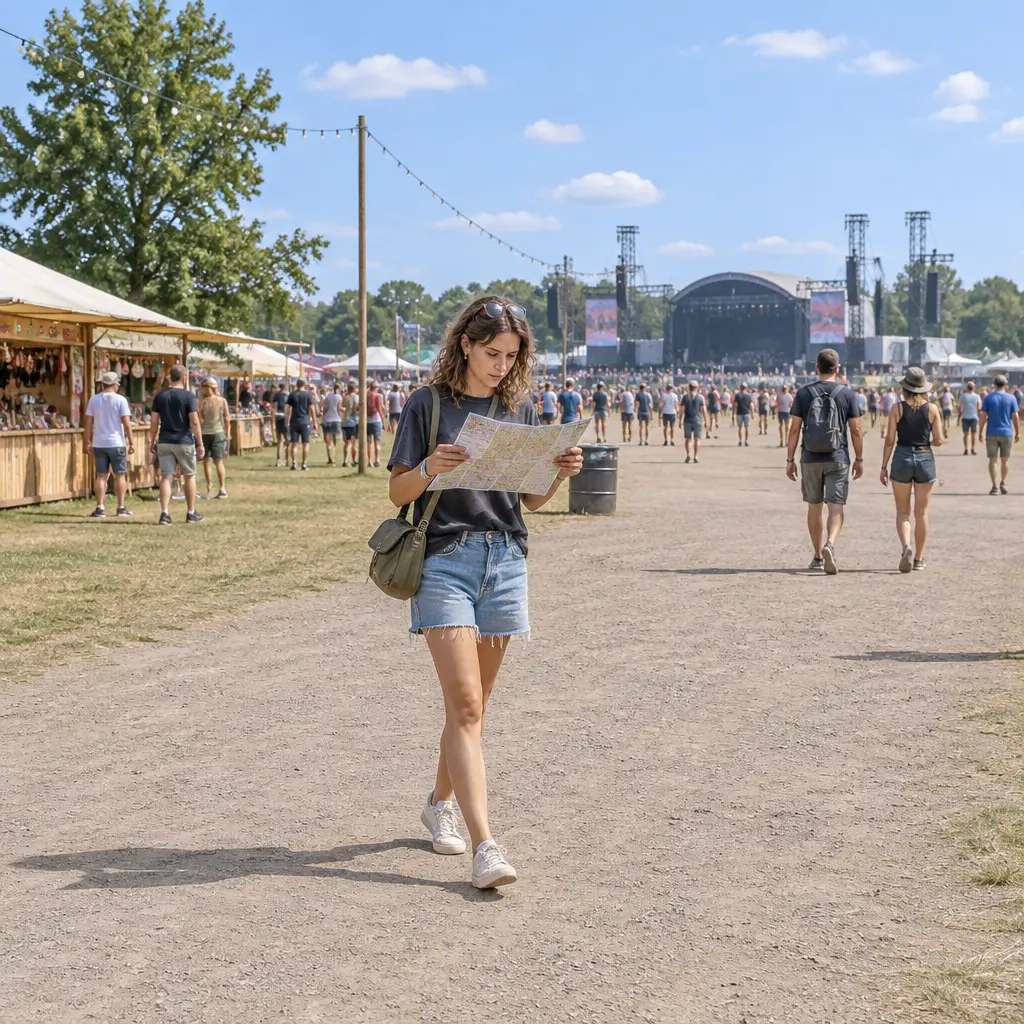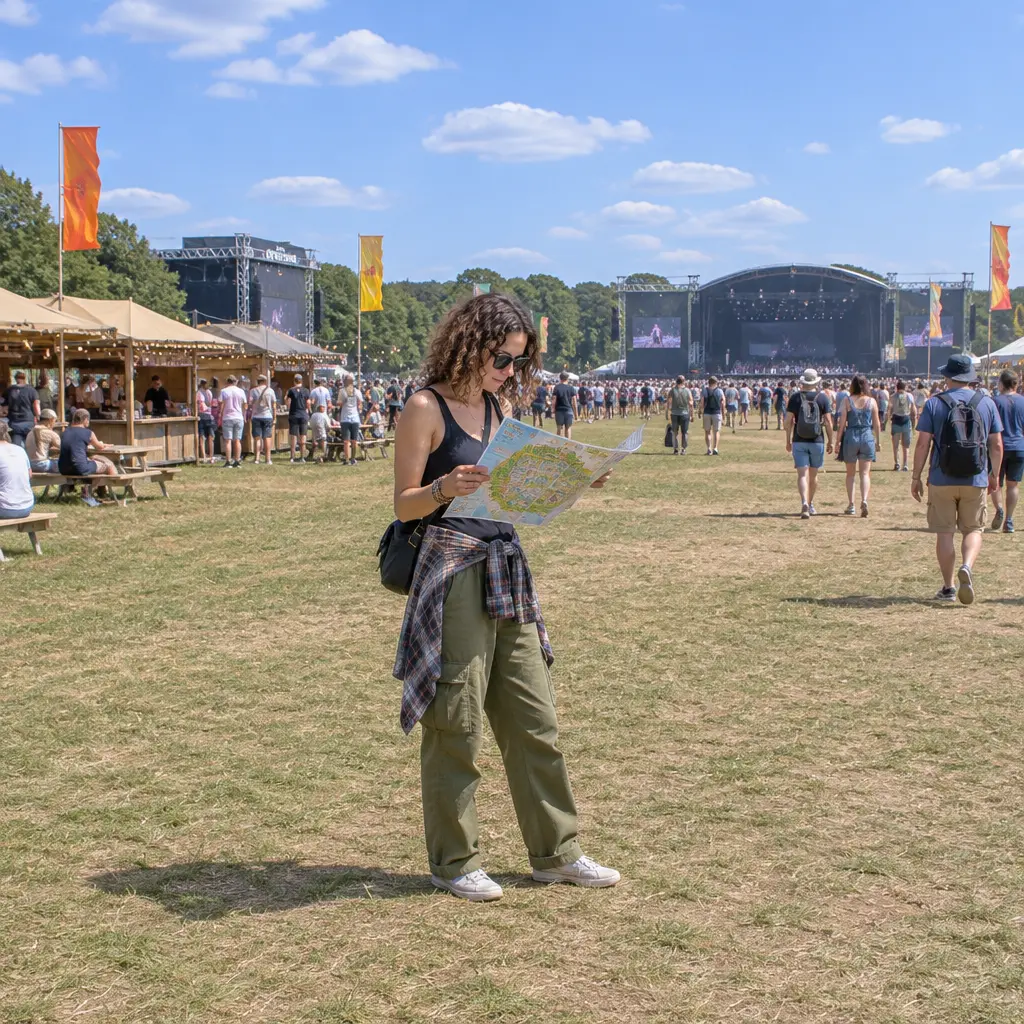
Going to a festival alone means attending without a companion while making your own choices about music, food, rest, and socializing. A solo festival can be rewarding when you plan transport and safety, prepare for the venue, and give yourself permission to enjoy the event at your own pace. That matters at large gatherings: the World Health Organization estimates that about 41 million people experience violence each year, while crowd-safety guidance from the UK Health and Safety Executive emphasizes planning, communication, and managing crowd movement. The guide below covers the benefits of going solo, practical preparation, on-site safety, ways to connect with others, and what to do if plans change.
Why Solo Festival Attendance Works
Solo festival attendance is the practice of experiencing an event independently, without relying on a companion to choose activities or provide company. There is no single official definition, but event-safety guidance offers a useful framework: plan ahead, understand the site, and know how to get help. The UK Health and Safety Executive advises organizers to assess crowd risks and plan for safe entry, movement, and exit—considerations that also help individual attendees make sensible personal plans.
Going alone does not mean being isolated. It can mean moving between stages freely, taking breaks when needed, and choosing whether to chat or simply enjoy the performance. The main trade-off is that you make every logistical decision yourself, so preparation becomes especially valuable.
Freedom to Build Your Own Schedule
Independent scheduling means choosing sets, food stops, rest periods, and activities without coordinating with a group. Before the event, mark a few must-see performances and leave open time around them. Festival schedules can change, and a flexible plan helps you avoid turning a fun day into a race between stages.
Self-Reliance and Comfort
Self-reliance is the ability to manage your essentials and respond calmly when circumstances shift. For a solo attendee, that means carrying necessary medication, knowing where water and first aid are available, and having a backup route home. It also means respecting your own limits: stepping away from a dense crowd or leaving early is a valid choice.
Plan a Solo Festival Visit
A practical solo festival plan combines ticket and venue research, transport arrangements, and a compact packing list. Check the festival’s official information for entry times, bag restrictions, accessibility facilities, prohibited items, and emergency procedures. For multi-day events, confirm campsite rules and the location of toilets, water points, medical services, and staffed help desks.
Transport and Check-In Plan
A transport plan identifies how you will arrive, leave, and cope if your first option fails. Save the address and a map for your accommodation or pickup point, check the final public-transport departure, and identify official taxi or rideshare locations. Tell someone you trust when you expect to arrive and how you plan to get back. If mobile coverage is unreliable, agree on a check-in time in advance.
Packing for Independence
A useful solo kit is lightweight, venue-compliant, and focused on essentials. Depending on event rules and weather, consider a charged phone, portable battery, ear protection, water container, sun protection, rain layer, comfortable shoes, personal medication, and a small amount of backup cash. Keep valuables to a minimum and store important items securely. Do not assume that every festival permits the same bags, bottles, or charging devices; check its current policy before leaving.
Accessibility and Sensory Needs
Accessibility planning means checking whether the venue can support your mobility, communication, medical, or sensory needs. Ask the organizer about accessible viewing areas, step-free routes, quiet spaces, companion or assistance arrangements, and how to contact on-site support. The Americans with Disabilities Act National Network explains that access obligations and arrangements depend on the event and venue, so confirming details directly is more reliable than assuming facilities will be available.
Stay Safe and Well at a Festival Alone
Solo festival safety is a set of preventive habits: remain aware of your surroundings, keep a way to contact help, and make decisions that protect your health. The UK Health and Safety Executive’s crowd-management guidance highlights the importance of assessing hazards and controlling crowd movement. For attendees, that translates into learning the site layout, noticing exits, and avoiding pressure points when a crowd becomes uncomfortable.
Crowds, Meeting Points, and Help
A meeting point is a recognizable location you can use to orient yourself or reconnect with someone if phones stop working. Even when attending solo, choose a landmark near the entrance or an official information point as a reference. Locate security, first aid, and staffed welfare services when you arrive. If you feel unwell, lost, threatened, or overwhelmed, approach an official worker rather than trying to manage a serious problem alone.
Health, Hydration, and Hearing
Personal wellbeing at a festival includes rest, appropriate food and fluids, sun or weather protection, and hearing protection. The U.S. National Institute on Deafness and Other Communication Disorders identifies exposure to loud sound as a cause of noise-induced hearing loss and recommends reducing exposure or using hearing protection. Consider earplugs, take breaks away from loud stages, and seek medical help for concerning symptoms. Follow venue guidance on water, heat, medication, and alcohol or other substances; individual risks vary, and no single hydration rule suits every person.
Phone, Money, and Personal Boundaries
Digital and personal security means protecting your access to communication and payment while keeping control over social interactions. Save tickets offline if possible, use a screen lock, and keep emergency contact details accessible. Carry only the payment methods you need, and separate a backup from your main wallet. You are not obliged to share accommodation details, accept a drink, or continue a conversation; move toward staff or a busier public area if you feel uncomfortable.
Meet People Without Pressure
Social connection at a solo festival is optional and works best when it follows shared interests rather than obligation. Music, food stalls, workshops, and queues can all create natural opportunities for conversation. A brief, low-pressure opening—such as asking whether someone has seen a particular act—lets both people decide whether to continue chatting.
Use Shared Activities as Conversation Starters
Shared-activity socializing means joining an event feature that gives people a common focus, such as a dance area, art installation, guided activity, or fan meetup. Follow the festival’s official community channels for scheduled gatherings, and choose public, staffed locations for first meetings. Keep your own transport and exit plan regardless of whether you make new friends.
Enjoy Your Own Company
Solo enjoyment is the ability to experience the event without treating every quiet moment as a problem to solve. Watch a performance, explore an exhibit, journal between sets, or take a break with a meal. A good solo visit can include conversation, but it does not depend on making friends or documenting every moment.
Handle Changes and Unexpected Situations
A contingency plan is a simple alternative for predictable disruptions such as a delayed train, dead phone, bad weather, or a cancelled performance. Save essential information before arrival, identify a place to shelter, and know where to ask for official assistance. If you feel unsafe or seriously unwell, prioritize getting help over protecting your schedule or belongings.
For a practical visual aid, make a small “festival plan” card or phone note with your transport options, accommodation address, check-in contact, meeting landmark, and locations of first aid and information services. Keep the information private and accessible even if your phone battery runs low.
Conclusion: Make the Festival Your Own
A successful solo festival visit rests on three connected choices: plan the logistics, protect your wellbeing, and leave room for spontaneous enjoyment. Check venue rules and accessibility details, map transport and help points, pack thoughtfully, and use clear personal boundaries. Then let the day unfold at your pace—whether that means meeting new people, catching every favorite set, or simply enjoying the music on your own. Before your next event, read the organizer’s safety and access information and build a short backup plan.
Sources: UK Health and Safety Executive, Managing Crowds Safely, https://www.hse.gov.uk/event-safety/crowd-management.htm; World Health Organization, Violence against women prevalence estimates, 2018, https://www.who.int/publications/i/item/9789240022256; U.S. National Institute on Deafness and Other Communication Disorders, Noise-Induced Hearing Loss, https://www.nidcd.nih.gov/health/noise-induced-hearing-loss; ADA National Network, Accessible Events, https://adata.org/factsheet/accessible-events