
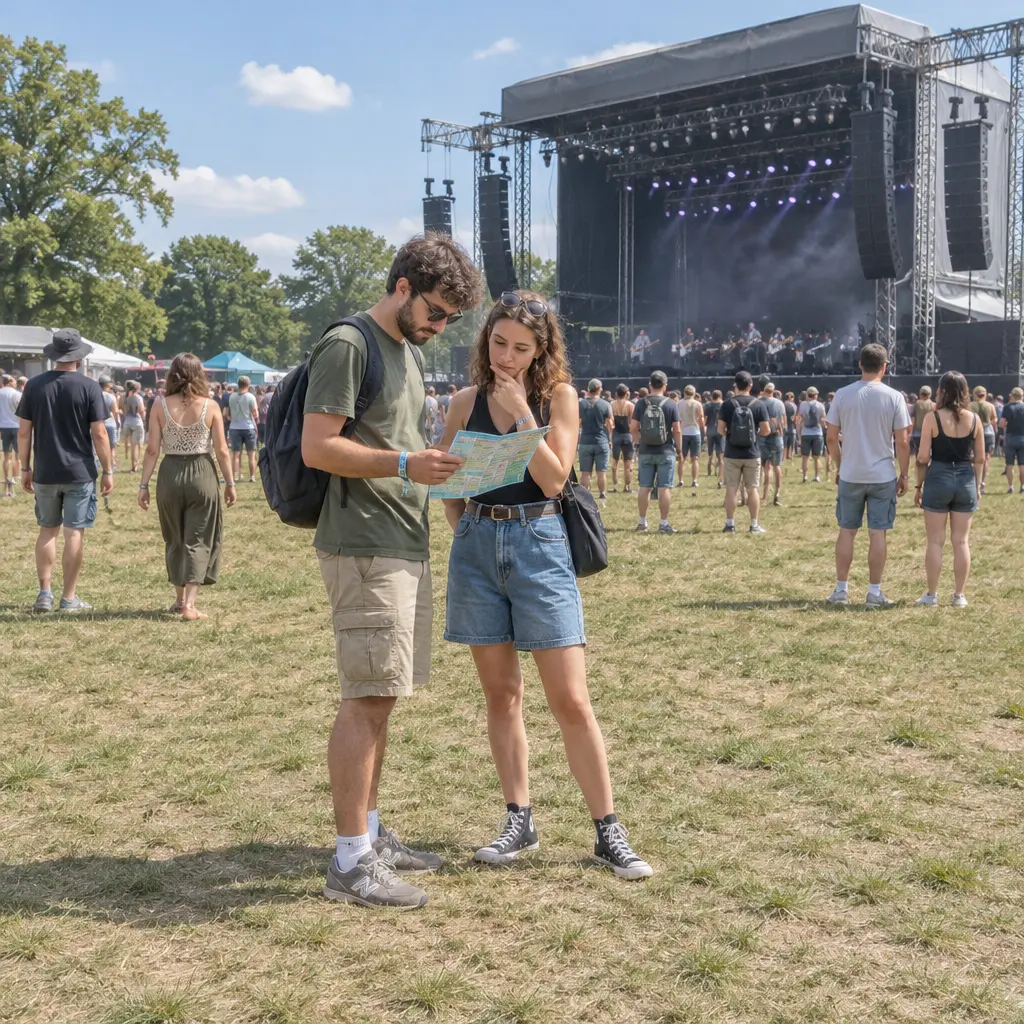
Music festivals are multi-day or recurring live events that bring performers and audiences together around music, culture, and shared experiences. Gen Z and Millennials are helping drive festival growth because they value live experiences, social connection, discovery, and moments worth sharing. The trend is reflected in industry research: a 2024 Live Nation survey reported that 79% of Gen Z and Millennials wanted to attend more live events, while Deloitte’s 2024 research found that younger generations prioritize experiences and socializing in their spending. Their influence is reshaping festival lineups, ticketing, technology, and expectations for sustainability and inclusion.
Festival growth reflects Gen Z and Millennial experience-seeking
Festival growth is the expansion of attendance, ticket demand, event offerings, and related spending across live music gatherings. There is no single global measure of “festival growth,” and reported attendance can vary by event, region, and whether organizers count tickets sold or people on site. Still, consumer surveys and industry reporting point to strong interest among younger adults. Live Nation’s 2024 survey of more than 40,000 fans across 15 countries found that 79% of Gen Z and Millennials wanted to attend more live events. Deloitte’s 2024 Gen Z and Millennial Survey, based on responses from more than 22,800 people in 44 countries, likewise described socializing and experiences as meaningful priorities for these generations.
The two cohorts are not identical. Millennials, commonly defined as those born from 1981 to 1996, are generally older and may have higher incomes or family responsibilities than Gen Z, commonly defined as those born from 1997 to 2012. Their overlap lies in the importance they place on memorable experiences and connection. This demand supports several kinds of festival growth: larger attendance at established events, new niche festivals, premium and camping packages, and year-round events that extend a festival brand beyond its main weekend.
Live experiences compete effectively with digital entertainment
A music festival offers something a stream or recorded track cannot fully reproduce: shared presence, a sense of occasion, and the possibility of unexpected discovery. Deloitte’s 2024 survey found that 56% of Gen Z respondents and 43% of Millennial respondents said they felt stressed or anxious all or most of the time, underscoring the importance of connection and leisure in discussions of younger adults’ well-being. That finding does not prove festivals reduce stress, but it helps explain why in-person social experiences can hold appeal amid digitally mediated daily life.
Festivals turn social connection into a group activity
Festival attendance is often planned with friends, partners, or online communities, making the event both entertainment and a shared trip. Group planning can increase demand for multi-day passes, nearby accommodation, camping, and food and beverage packages. Social media extends the experience: attendees can discover events through creators and friends, coordinate plans, and share performances afterward. This connection also helps explain why an event’s identity and community may matter as much as its headliners.
Festival discovery and fandom broaden younger audiences
Discovery is the process by which audiences find new artists, genres, and events. For younger festivalgoers, discovery commonly happens through streaming recommendations, short-form video, artist communities, and peer recommendations. The result is a shift from festivals serving only as showcases for established acts to acting as places where fans can encounter emerging performers and move between genres.
Genre-spanning lineups encourage exploration
A multi-genre lineup places performers from different musical traditions on the same bill. It can appeal to audiences whose listening habits are not confined to one style and can help festivals bring together fan communities that might not otherwise share a venue. Research from Luminate’s 2024 Year-End Music Report documents the continuing importance of streaming in music consumption and discovery, although streaming popularity alone does not establish that a particular artist will draw a festival crowd. Organizers therefore balance emerging acts with familiar headliners, using staged schedules and audience data to reduce the risk of uneven attendance.
Online fandom can convert attention into ticket interest
Online fandom describes the communities that form around artists, genres, and cultural scenes. A viral performance or fan-created clip can introduce an artist to people outside their usual audience, while festival appearances give fans a chance to see those artists live. The path from online attention to ticket purchase is not automatic: price, travel, scheduling, and trust in the event remain important. However, online communities can make festival announcements travel quickly and help smaller festivals establish a distinct identity.
Festival economics respond to younger consumers’ budgets and priorities
Festival economics includes ticket revenue as well as spending on transport, lodging, food, merchandise, and ancillary experiences. Younger consumers help create demand, but affordability is a major constraint. Deloitte’s 2024 survey reported that cost of living was a leading concern for both Gen Z and Millennials. As a result, interest in festivals does not mean every attendee can afford every event or premium option. Organizers are responding with varied ticket tiers, payment plans, local programming, and clearer communication about fees.
Tiered tickets and payment options widen access
Tiered ticketing offers different price points or benefits, such as general admission, reserved viewing, and VIP access. Early-bird sales and installment plans can make costs more manageable, while day tickets may suit people unable to pay for a full weekend. These options can broaden the potential audience, but transparent pricing matters: hidden charges and unclear refund terms can undermine trust, especially when customers are coordinating a costly group trip.
The festival trip supports local businesses
Large events can bring visitors to hotels, restaurants, transport providers, and local retailers. The scale of the benefit depends on how many attendees travel, where they spend, and whether the event’s economic impact is measured as gross spending or net new activity. For example, the U.S. National Park Service’s 2023 visitor-spending analysis estimated that visitors to national parks spent $26.4 billion in nearby communities, supporting 415,000 jobs; this is not a festival-specific estimate, but it illustrates how visitor activity can affect surrounding economies. Festival organizers and host communities can use local supplier agreements and transit planning to retain more benefits nearby.
Festival technology shapes the attendee experience
Festival technology refers to the digital tools used for discovery, ticketing, entry, navigation, payments, and communication. Younger audiences may be comfortable using apps and mobile services, but convenience must be balanced with reliable infrastructure, privacy, and alternatives for people who cannot or do not want to use a smartphone.
Apps and cashless systems reduce friction when they work
Mobile tickets, digital maps, schedule alerts, and cashless payments can make it easier to enter a venue and plan a day. They can also help organizers communicate safety notices and schedule changes. Their value depends on dependable connectivity, accessible interfaces, data protection, and practical support when a device is lost or a payment system fails. Keeping staffed help points and clear offline guidance helps prevent a digital-first design from becoming a barrier.
Social media supports marketing and real-time communication
Social platforms help festivals announce lineups, answer questions, and share schedule or safety updates. Attendee-created posts can also serve as informal promotion, particularly when they show the atmosphere rather than only the stage. Yet social reach should not be confused with attendance: views and likes measure online interaction, not confirmed ticket sales. Effective marketing connects digital engagement to practical information about price, access, transport, and event policies.
Festival values influence loyalty and event design
Festival values are the principles attendees associate with an event, including inclusion, safety, environmental responsibility, and fair treatment. These concerns can shape whether younger consumers recommend an event or return. A festival’s public commitments are most persuasive when they are reflected in operations and reported with measurable outcomes rather than presented only as advertising.
Sustainability expectations meet practical event operations
Festival sustainability involves reducing environmental impacts such as waste, transport emissions, energy use, and pressure on local resources. The United Nations Environment Programme identifies waste prevention, reuse, and recycling as key parts of a circular approach to materials. At festivals, examples include reusable cup systems, refill stations, public-transport partnerships, food-waste reduction, and supplier standards. Results vary by site and implementation, so organizers should report specific measures—such as waste diverted or transport mode share—rather than rely on broad claims of being “green.”
Accessibility and safety are part of the experience
Inclusive festival design considers disability access, sanitation, crowd management, harassment prevention, and clear routes to assistance. The World Health Organization estimates that about 1.3 billion people, or 16% of the global population, experience significant disability. That figure reinforces why accessible design matters across audiences, not only as a special accommodation. Practical measures include step-free routes, viewing platforms, accessible toilets, staff training, sensory information, and straightforward reporting channels. Festivals that communicate these provisions clearly make it easier for more people to decide whether they can participate.
Conclusion: younger generations are changing how festivals grow
Gen Z and Millennials are driving festival growth through demand for live experiences, social connection, musical discovery, and culturally relevant events. Their influence reaches beyond attendance: it affects how festivals build lineups, price tickets, use technology, and demonstrate values. Surveys from Live Nation and Deloitte support the importance of live experiences to younger audiences, while cost-of-living pressures show why demand must be matched with affordability and transparent choices.
For organizers, the opportunity is to create events that are distinctive, accessible, safe, and financially realistic—not simply larger. Attendees can compare pricing and access information before buying, and local communities can encourage transparent reporting on economic and environmental effects. Continued research should track actual attendance, spending, and participation across age groups so that claims about festival growth are grounded in comparable data.
Sources: Live Nation, “Live Nation’s 2024 Concerts and Festivals Report,” 2024, https://newsroom.livenation.com/news/live-nation-releases-2024-concerts-and-festivals-report/; Deloitte, “2024 Gen Z and Millennial Survey,” 2024, https://www.deloitte.com/global/en/issues/work/content/genz-millennialsurvey.html; Luminate, “2024 Year-End Music Report,” 2025, https://luminatedata.com/reports/year-end-music-industry-report-2024/; U.S. National Park Service, “2023 National Park Visitor Spending Effects,” 2024, https://www.nps.gov/subjects/socialscience/vse.htm; United Nations Environment Programme, “Sustainability and Circularity in the Textile Value Chain: A Global Roadmap,” 2023, https://www.unep.org/resources/publication/sustainability-and-circularity-textile-value-chain-global-roadmap; World Health Organization, “Disability,” 2023, https://www.who.int/news-room/fact-sheets/detail/disability-and-health.


