
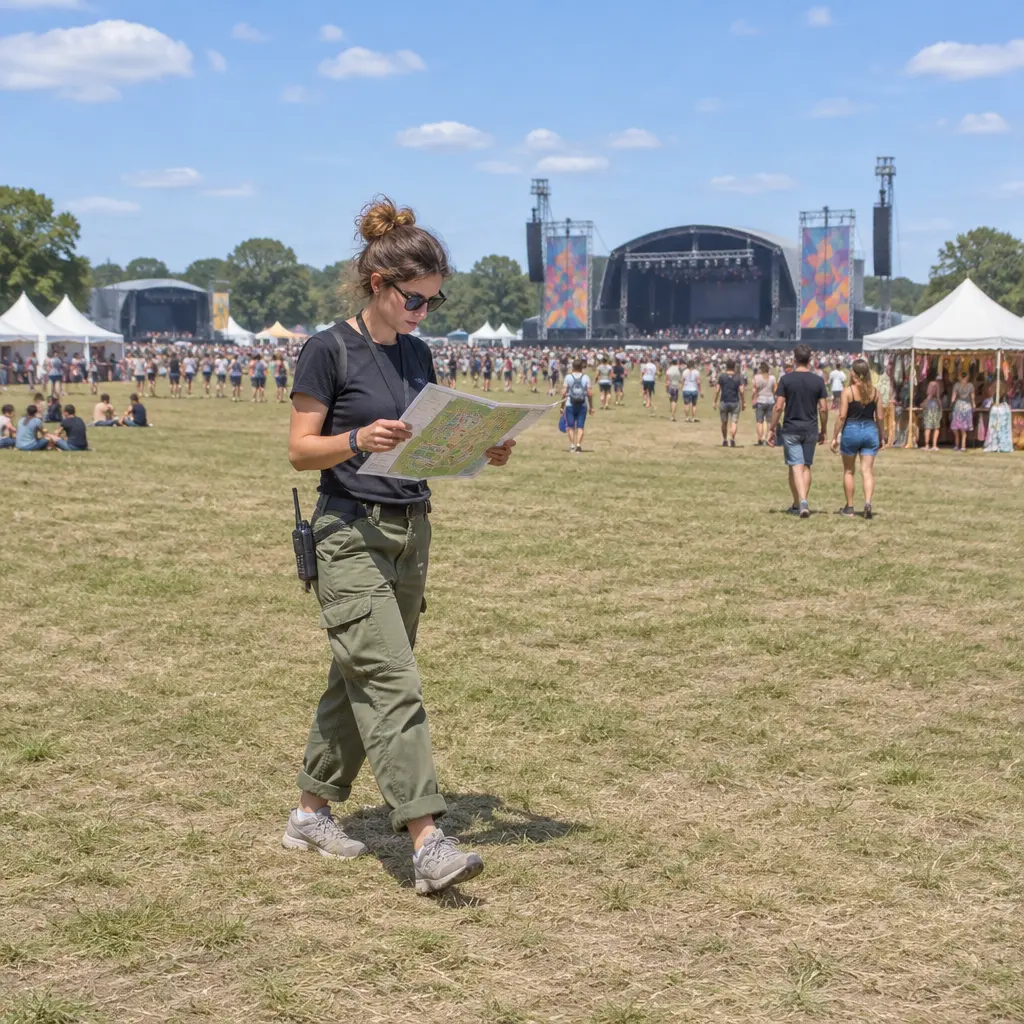
Music festivals are live events that bring artists, audiences, and music-industry businesses together around shared performances. Their role extends beyond entertainment: festivals generate ticket, sponsorship, and tourism revenue; help artists reach new listeners; and give labels, promoters, venues, and brands opportunities to build relationships. Their scale is substantial: the 2024 Coachella Valley Music and Arts Festival reported attendance of about 125,000 people per day, while the UK’s Association of Independent Festivals estimated that its member events contributed £1.49 billion in gross value added to the UK economy in 2023. Festivals also face rising production costs, environmental pressures, and safety challenges, making their economic and cultural benefits inseparable from how they are managed.
Festivals as Economic Engines in the Music Industry
A music festival’s economic role is the way it creates and distributes value through ticket sales, sponsorships, food and merchandise, employment, tourism, and related business activity. The National Independent Venue Association’s 2023 report describes the broader live-music ecosystem as a network of venues, promoters, artists, and workers whose income depends on live events. Festivals concentrate many of these activities in one place and over a short period, but the resulting benefits are not automatic: they depend on attendance, local procurement, event costs, and how revenue is shared.
Direct Revenue and Festival Business Models
Direct revenue is income earned by the festival organizer, including ticketing, sponsorship, concessions, camping, and merchandise. Large commercial festivals commonly combine these sources to offset artist fees, staging, security, insurance, transport, and site costs. The model differs by event: a destination festival may earn from camping and travel packages, while a city festival may rely more heavily on local partnerships and daily ticket sales. Deloitte’s 2024 analysis of the live-event business noted that demand for in-person entertainment remained strong, while higher operating expenses and limited venue capacity continued to shape profitability across the sector.
Tourism, Local Spending, and Employment
The local economic impact of a festival includes visitor spending on accommodation, food, transport, and retail, along with temporary and continuing jobs. The Association of Independent Festivals reported that its members’ events generated an estimated £1.49 billion in UK gross value added in 2023 and supported approximately 9,000 full-time-equivalent jobs. These figures illustrate why local authorities may view festivals as tourism infrastructure as well as cultural programming. However, impact estimates should be interpreted carefully: gross spending is not the same as net benefit, because some spending may displace other visitors or leave the region through external suppliers and owners.
Once festivals attract spending and employment, their industry significance also depends on what they do for the artists whose work draws audiences in the first place.
Festivals as Artist-Development and Discovery Platforms
A festival’s artist-development role is its capacity to introduce performers to audiences, industry professionals, and media beyond their existing fan base. The value is especially relevant for emerging acts, who may gain visibility through curated stages, support slots, and festival coverage. Festivals are not a guaranteed route to commercial success: outcomes depend on audience fit, placement, performance quality, and whether exposure leads to repeat listening, bookings, or sales.
Audience Discovery and Career Visibility
Audience discovery occurs when listeners encounter artists they did not specifically intend to see. A multi-stage festival creates many such opportunities because attendees move between genres and performers. Nielsen Music’s 2018 U.S. Music 360 report found that 52% of surveyed music listeners had attended a live music event in the preceding year, underscoring the importance of live settings in music consumption. For artists, festival appearances can also generate social-media content and press attention, although lasting career value is more likely when discovery is followed by accessible recordings, tour dates, and direct audience communication.
Booking, Curating, and Industry Relationships
Festival booking is the process of selecting performers and arranging their sets; curation is the broader editorial choice that gives a lineup its identity. Together, they influence which genres, communities, and career stages receive visibility. Established headliners can help sell tickets, while local and emerging artists can give a festival distinct character and strengthen regional scenes. The Musicians’ Union in the UK has repeatedly highlighted the financial pressures facing working musicians, including unpredictable income. Fair fees, clear contracts, and practical support such as accommodation and travel therefore matter when festivals claim to support new talent.
Artist visibility is one part of a festival’s influence. Its other major industry function is bringing audiences and commercial partners into a shared environment.
Festivals as Marketing and Brand Partnerships
Festival marketing is the use of live-event programming, media, and audience interaction to build awareness and relationships for artists, organizers, and sponsors. A festival gives brands access to a concentrated audience, while performers and event producers can use campaigns to extend reach beyond the site. Sponsorship may fund infrastructure and programming, but it can also influence the event’s visual identity and attendee experience.
Sponsorship and Experiential Marketing
Experiential marketing invites audiences to interact with a brand through an activity or service rather than only seeing an advertisement. At festivals, examples include charging stations, branded stages, sampling areas, and artist interviews. Sponsorship revenue can help cover production costs, but effective partnerships are usually relevant to attendees and transparent about commercial involvement. The International Music Summit’s 2024 Business Report estimated that electronic music generated $11.8 billion in global industry revenue in 2023, reflecting the scale of the wider ecosystem in which festivals, clubs, labels, and brands operate.
Digital Reach and Post-Event Engagement
Digital engagement extends a festival’s audience through livestreams, short-form video, artist interviews, and on-demand recordings. These channels can promote artists and future ticket sales, though they do not necessarily replace the value of attending in person. Festivals should also treat audience data responsibly: consent, clear privacy notices, and secure handling are important when ticketing and event apps collect personal information. Digital content is most useful when it connects audiences to artists’ official channels and provides a continuing reason to listen after the event ends.
Commercial reach and public attention increase a festival’s responsibilities. The same scale that creates economic opportunities can amplify environmental and safety risks.
Festivals as Sites of Environmental and Safety Responsibility
Festival responsibility refers to the policies and operational practices used to protect attendees, workers, artists, nearby communities, and the environment. It includes crowd management, emergency planning, accessibility, sanitation, transport, waste reduction, and climate considerations. These duties are central to the industry’s ability to operate: a well-known lineup cannot compensate for preventable harm or avoidable disruption.
Environmental Impact and Sustainable Production
Environmental impact includes emissions from audience travel and freight, energy use, waste, water consumption, and land disturbance. The United Nations Environment Programme has identified transport and energy as important sources of emissions in live events, while initiatives such as the Vision: 2025 festival industry programme encourage measurement and reduction of environmental impacts. Practical measures include public-transport incentives, reusable serviceware, renewable power where feasible, waste audits, and publishing progress against clear targets. Organizers should report boundaries and methods so that sustainability claims can be compared and assessed rather than treated as general promotion.
Crowd Safety, Accessibility, and Duty of Care
Duty of care is an organizer’s responsibility to take reasonable steps to protect people affected by an event. Crowd safety planning includes capacity limits, trained staff, clear routes, medical provision, reliable communication, and coordination with emergency services. The UK Health and Safety Executive’s event-safety guidance emphasizes planning, risk assessment, and managing crowds as connected tasks. Accessibility is equally important: step-free routes, viewing platforms, accessible toilets, clear information, and appropriate support help ensure disabled attendees can participate. Safety plans should be reviewed with local authorities and updated for the specific site, audience, weather, and programme.
Conclusion: Festivals Shape the Music Industry Beyond the Stage
Festivals serve the music industry as economic engines, artist-discovery platforms, marketing environments, and high-responsibility public events. Their ability to generate tourism and employment, introduce performers to new listeners, and connect brands with audiences explains their importance; reported economic contributions such as the UK independent festival sector’s £1.49 billion in gross value added show that their influence reaches well beyond ticket revenue. At the same time, the sector’s long-term health depends on fair artist practices, credible environmental action, accessible design, and robust safety planning. Readers can learn more by consulting the research and guidance from the Association of Independent Festivals, the Health and Safety Executive, and the United Nations Environment Programme, and by supporting events that report their impacts transparently.
Sources: Association of Independent Festivals, Festival Impact Report 2024, https://aiforg.com/; Deloitte, 2024 Media and Entertainment Industry Outlook, https://www.deloitte.com/us/en/insights/industry/technology/media-and-entertainment-industry-outlook.html; Nielsen Music, 2018 U.S. Music 360 Report, https://www.nielsen.com/insights/2018/music-360-2018/; Musicians’ Union, Musicians’ Census 2023, https://musiciansunion.org.uk/; International Music Summit, IMS Business Report 2024, https://www.internationalmusicsummit.com/ims-business-report; United Nations Environment Programme, Sustainable Events, https://www.unep.org/explore-topics/resource-efficiency/what-we-do/sustainable-events; Vision: 2025, Industry Vision and Environmental Resources, https://www.vision2025.org.uk/; UK Health and Safety Executive, Managing Crowds Safely, https://www.hse.gov.uk/event-safety/crowd-management.htm.
