
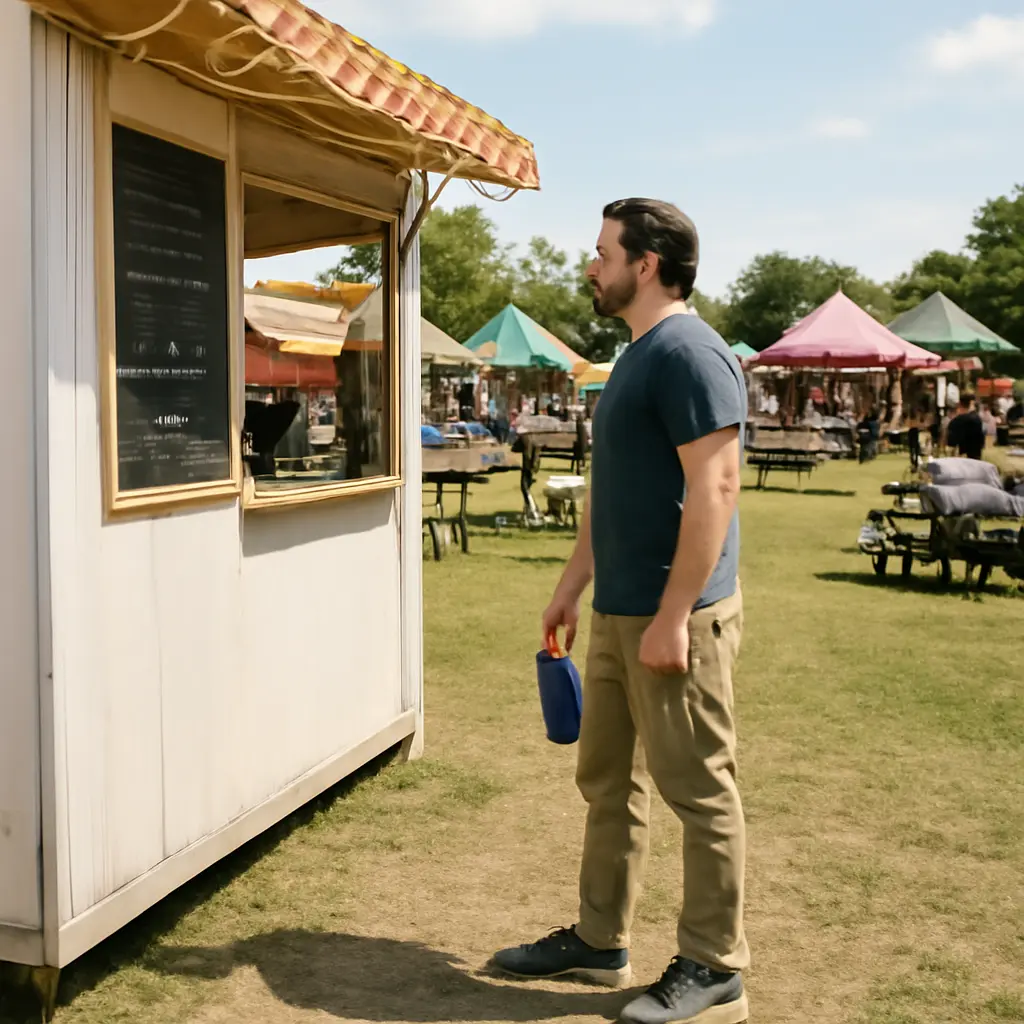
Festival meals are easiest to enjoy when you plan for the line, the heat, your budget, and your appetite—not just the menu. A common beginner’s mistake is treating festival food like an ordinary quick lunch, even though long waits, limited seating, outdoor temperatures, and unfamiliar vendors can change what makes a meal safe and satisfying. The CDC estimates that 48 million people in the United States get sick from foodborne illness each year, so sensible food choices and hand hygiene matter in crowded settings. Avoiding a few predictable missteps can help you eat safely, stay hydrated, and spend your food budget wisely.
Festival meal planning: what beginners often overlook
Festival meal planning means choosing when, where, and what to eat while accounting for the event’s queues, facilities, weather, and rules. It is not simply deciding what sounds tasty: a good plan also considers food safety, hydration, dietary needs, and how much food you can comfortably carry or finish. The CDC advises keeping perishable foods at safe temperatures, while the U.S. Department of Agriculture recommends that cold foods stay at or below 40°F and hot foods at or above 140°F.
Mistake: arriving hungry without checking the food options
Arriving without looking at vendor menus or event policies can leave you with fewer suitable choices, especially if you have allergies, dietary restrictions, or a tight budget. Check the festival’s vendor list, menu information, payment arrangements, and outside-food rules before you go. If menus are not posted, identify a few options on arrival before joining a long queue. This small step helps you compare choices rather than defaulting to the nearest stall because you are hungry.
Mistake: underestimating queues and meal timing
Festival lines can turn a quick meal into a long wait, particularly around headline performances or conventional lunch and dinner times. Eat a modest meal or snack before entering if you expect delays, and consider eating outside peak periods. Plan meal breaks around the event schedule, but leave enough time to find a vendor and a place to eat. A snack can help bridge the gap; it should not replace drinking water or taking a proper break when you need one.
Mistake: buying more than you can comfortably eat
The smell of multiple stalls and the appeal of novelty foods can make it tempting to order several large portions at once. That can mean wasted food, uncomfortable fullness, and less money for later. Start with one meal or a shareable portion, then decide whether you want more after eating. If you are sampling, compare portion sizes and prices first. Sharing can be practical, provided everyone is comfortable with the ingredients and any allergy or cross-contact risks are discussed.
Festival food safety: how to judge a vendor and a meal
Food safety is the handling and preparation of food in ways that reduce the risk of contamination and illness. The CDC identifies foodborne illness as a substantial public-health issue: about 48 million people in the United States become ill from foodborne germs each year, with 128,000 hospitalizations and 3,000 deaths. Those figures cover foodborne illness nationally, not festivals specifically, but they explain why basic precautions matter when food is prepared and served to crowds.
Mistake: ignoring food temperature and handling
Perishable food should not sit for long periods at temperatures where bacteria can multiply quickly. USDA guidance describes the “Danger Zone” as 40°F to 140°F and advises keeping cold food at or below 40°F and hot food at or above 140°F. At a stall, look for food that is being kept appropriately hot or chilled, and choose freshly prepared items when possible. Avoid food that appears to have been left uncovered or sitting lukewarm for an extended time. You cannot verify safety by appearance alone, so use these observations as practical warning signs, not guarantees.
Mistake: forgetting hand hygiene
Hands can transfer germs to food, especially after using shared facilities, touching surfaces, or handling cash. The CDC recommends washing hands with soap and water for at least 20 seconds. Use a restroom or handwashing station before eating; if soap and water are not readily available, hand sanitizer containing at least 60% alcohol is a useful alternative, though it does not remove every kind of dirt or germ as effectively as washing. Do not rely on a quick wipe of your hands on clothing.
Mistake: treating a busy stall as proof of safe food
A long queue can indicate popularity, but it cannot confirm safe preparation. Instead, look for orderly service, protected food, clean-looking equipment, and staff who handle food carefully. Where local inspection grades or permits are displayed, check them and follow the event’s guidance for reporting concerns. A real-world example is a food stall that serves cooked items from a hot holding unit: the important question is not only whether the stall is popular, but whether food is protected and kept hot until service.
Festival hydration and dietary needs: plan beyond the menu
A festival meal plan includes drinks and personal dietary requirements as well as food. Heat, walking, dancing, and long periods outdoors can increase fluid needs, while unfamiliar menus can make allergies or medical diets harder to manage. The National Institute for Occupational Safety and Health advises workers in hot environments to drink water regularly; festivalgoers can apply the same general principle by drinking throughout the day rather than waiting until they feel very thirsty. Follow medical advice for any condition that affects fluid intake.
Mistake: relying only on sugary or alcoholic drinks
Sweet drinks and alcohol may be part of a festival, but they should not be your only hydration plan. Carry a refillable bottle if the event allows it, locate water refill points, and drink water regularly, especially in warm weather or during physical activity. Alcohol can impair judgment and may make it easier to overlook thirst, heat, or fatigue. Take breaks in shaded or cool areas when available, and seek event medical help if you feel seriously unwell.
Mistake: assuming a menu label answers every allergy question
A menu description may not explain every ingredient or the risk of cross-contact, which occurs when an allergen is transferred to a food through shared equipment or surfaces. If you have a food allergy, ask the vendor direct questions about ingredients and preparation, and do not order if staff cannot provide information you need to make a safe choice. The U.S. Food and Drug Administration identifies nine major food allergens that must be declared on packaged foods subject to its labeling rules: milk, eggs, fish, crustacean shellfish, tree nuts, peanuts, wheat, soybeans, and sesame. Restaurant and stall practices can differ from packaged-food labeling, so do not assume the same label protections apply.
Mistake: overlooking access, seating, and carrying needs
A meal that is affordable and suitable on paper may still be difficult if you cannot comfortably reach the stall, carry the food, or find somewhere to sit. Check event information for accessible routes, seating, water stations, and assistance services. Choose food that is manageable while moving through the site, or plan a seated break. If you have a disability or a health condition that affects eating or mobility, contacting the organizer ahead of time can clarify available accommodations and food policies.
Festival food budgeting: avoid costly impulse choices
Festival food budgeting means deciding in advance how much you want to spend and making choices that fit that limit. Prices, serving sizes, and payment options vary by event, so an overall spending limit is more useful than assuming every meal will cost the same as one outside the festival. The U.S. Bureau of Labor Statistics’ Consumer Expenditure Surveys track household spending on food, but national household averages do not predict the price of a particular festival meal. For a festival, check current menus and prices directly whenever possible.
Mistake: forgetting fees, payment rules, and the full cost
A posted price may not be the only amount you need to plan for: taxes, service charges, cashless payment systems, or minimum purchase rules can affect the total. Check whether the event accepts cash, cards, or a festival-specific payment method, and keep a reserve for water or an unplanned meal. Avoid making repeated small purchases without tracking them; several snacks and drinks can cost more than one planned meal.
Mistake: skipping food entirely to save money
Trying to get through a long event without eating can leave you tired and less able to enjoy it. Instead, plan a realistic combination of meals and snacks. If event rules permit, bringing food can help, but check restrictions in advance and pack perishable items safely. Otherwise, compare vendor prices and portion sizes before buying. Budgeting works best when it supports a satisfying day rather than pushing you to ignore hunger or hydration.
A simple checklist for grabbing festival meals
A short checklist can turn these lessons into an easy routine. Before leaving, check food policies, menus, accessibility information, and payment methods. During the event, drink water, wash your hands, assess how food is being handled, and take time to ask about ingredients. Choose a portion and price that suit your appetite and budget, then make space for a break away from the busiest areas.
- Review vendor menus, event rules, and food prices before arrival.
- Plan meal timing around expected queues and the event schedule.
- Carry water or locate refill stations, and take breaks in hot weather.
- Wash hands before eating and use sanitizer when washing facilities are unavailable.
- Look for food that is protected and properly chilled or kept hot.
- Ask clear questions about ingredients and cross-contact if you have an allergy.
- Start with a sensible portion and keep track of your spending.
- Check seating, access routes, and carrying needs before ordering.
Conclusion: make festival meals safer, simpler, and more enjoyable
The most common beginner mistakes—arriving without a plan, misjudging queues, buying too much, overlooking food handling, neglecting water, and failing to check dietary needs or costs—are avoidable. Festival meal planning, basic food-safety precautions, hydration, and a realistic budget work together: each makes it easier to enjoy the event without unnecessary stress. Check the organizer’s current information, take a moment to assess food and facilities, and choose meals that fit your needs. For further guidance, consult the CDC, USDA, FDA, and event organizers before you go.
Sources: Centers for Disease Control and Prevention, Estimates of Foodborne Illness in the United States, https://www.cdc.gov/foodborneburden/estimates.html; U.S. Department of Agriculture, Keep Food Safe! Food Safety Basics, https://www.fsis.usda.gov/food-safety/safe-food-handling-and-preparation/food-safety-basics/keep-food-safe-food-safety-basics; Centers for Disease Control and Prevention, About Handwashing, https://www.cdc.gov/clean-hands/about/index.html; National Institute for Occupational Safety and Health, Heat Stress: Hydration, https://www.cdc.gov/niosh/heat-stress/recommendations/index.html; U.S. Food and Drug Administration, Food Allergies, https://www.fda.gov/food/food-labeling-nutrition/food-allergies; U.S. Bureau of Labor Statistics, Consumer Expenditure Surveys, https://www.bls.gov/cex/.


