
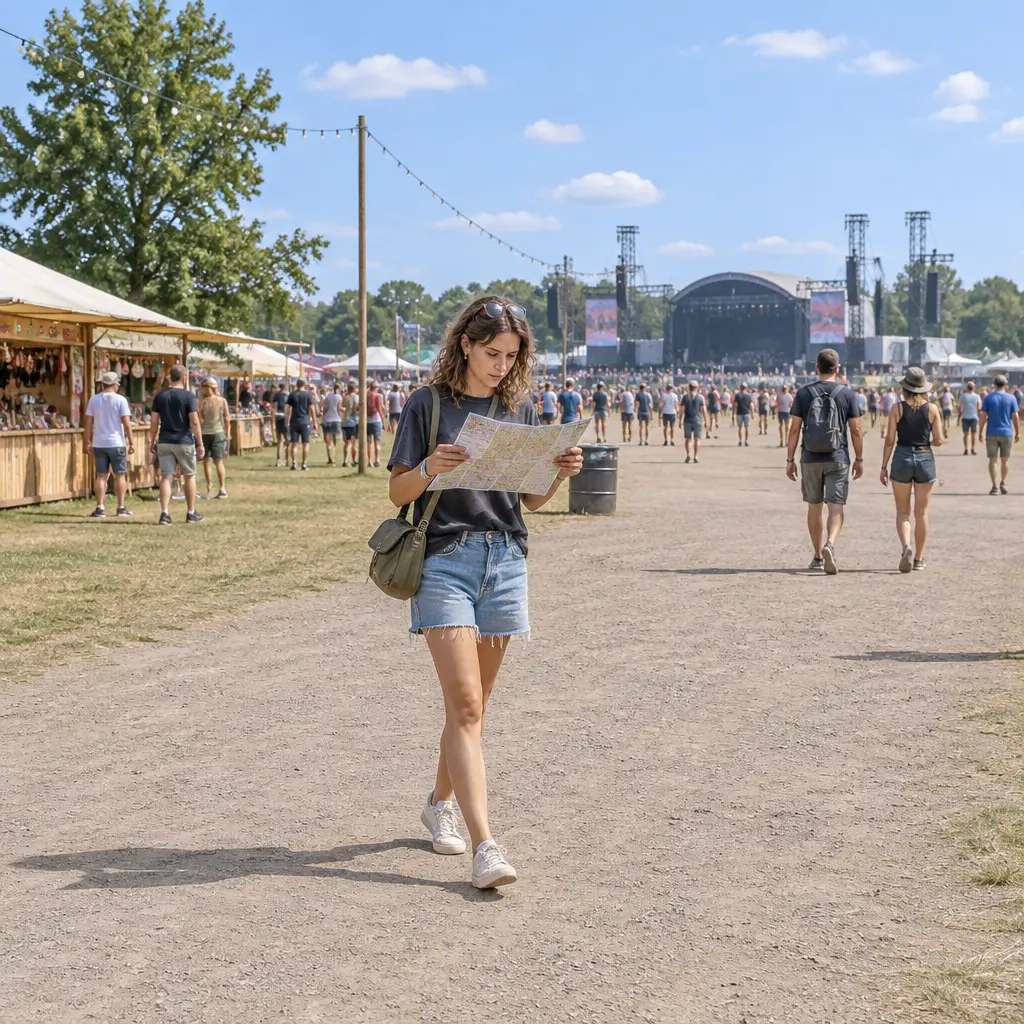
Festivals turn travel into participation: visitors plan trips around shared celebrations of music, culture, food, faith, and the arts. Festival tourism is travel motivated wholly or partly by attending a festival, and it can bring spending and visibility to host destinations while creating pressure on transport, public services, local housing, and the environment. The scale is substantial: the World Travel & Tourism Council estimated that travel and tourism contributed 10.4% of global GDP and supported 319 million jobs in 2019, before the pandemic. Understanding festival tourism therefore means examining what it is, why people travel for it, how destinations benefit, and how organizers can manage its impacts responsibly.
Festival Tourism as a Travel Motivation
Festival tourism describes travel in which a festival is a primary or meaningful reason for visiting a place. The term is used across tourism research rather than being limited to a single universally adopted formal definition. Donald Getz, a prominent events and tourism scholar, describes event tourism as the systematic planning, development, and marketing of events as tourist attractions, catalysts, and image-makers for destinations. Festival tourism is a focused form of event tourism, centered on celebrations with recurring programs, a cultural or artistic theme, and a particular relationship to place.
Its defining characteristics include a scheduled event, a destination-specific setting, a temporary concentration of visitors, and experiences that often combine attendance with accommodation, dining, transport, and sightseeing. A festival may be the trip’s main purpose, or it may enrich a wider holiday. The United Nations World Tourism Organization’s tourism framework distinguishes visitors by the duration and purpose of their trips; festival attendance can fit into domestic or international tourism depending on where the attendee lives and travels.
Music Festival Tourism
Music festival tourism refers to travel undertaken to attend live performances, from large multi-day festivals to destination concerts and regional music gatherings. Visitors may travel for a particular artist, genre, atmosphere, or the chance to see several performers in one trip. Glastonbury Festival in England illustrates the destination pull of a major event: organizers reported approximately 210,000 people on site in 2024, including ticket-holders, workers, and performers. Such attendance demonstrates both the appeal and the logistical demands of festival travel, including temporary transport, sanitation, crowd management, and accommodation capacity.
Cultural and Heritage Festival Tourism
Cultural and heritage festival tourism involves travel to celebrations rooted in local history, arts, customs, or community identity. Examples include the Edinburgh Festival Fringe, traditional carnival celebrations, and regional cultural fairs. These events can help visitors engage with a destination beyond its landmarks, while providing platforms for local artists and cultural organizations. The UNESCO Convention for the Safeguarding of the Intangible Cultural Heritage recognizes that living traditions—including festivals and rituals—are part of communities’ cultural heritage. Responsible tourism in this category depends on community participation and respectful representation, rather than treating culture solely as a visitor product.
Food, Religious, and Seasonal Festival Tourism
Food festivals attract visitors through regional cuisines, producers, and culinary demonstrations; religious festivals may draw pilgrims and cultural visitors; and seasonal events turn recurring natural or calendar moments into travel occasions. These categories overlap: a harvest celebration may combine food, music, and local ritual. Their appeal can extend visitor activity outside conventional peak seasons, but success depends on matching event capacity to local infrastructure and respecting the meaning of religious or community practices.
Festival Tourism Generates Destination Benefits and Costs
Festival tourism can distribute visitor spending across hotels, restaurants, transport providers, retailers, and cultural businesses. It can also strengthen destination recognition and encourage repeat visits. However, gross spending is not the same as net local benefit: some revenue leaves the area through external suppliers, while public agencies and residents may bear costs associated with security, cleanup, congestion, and infrastructure. The UNWTO’s event-tourism guidance emphasizes the importance of planning events in relation to destination development rather than evaluating them only by attendance.
Local Economic Effects
Economic effects include direct visitor purchases, indirect spending by event suppliers, and induced spending by workers whose income is supported by the event. These effects vary with visitor origin, length of stay, local ownership, and how much spending remains in the destination. A credible impact assessment separates additional visitor expenditure from spending that would have occurred anyway, and accounts for leakage and public costs. Organizers can increase local value by sourcing food, services, and labor locally and by publishing transparent post-event evaluations.
Community and Cultural Effects
Festivals can create community pride, support cultural practice, and offer audiences for local creators. They can also produce noise, crowding, pressure on short-term accommodation, or a sense that public space is being reorganized for visitors. The balance depends on who has a voice in planning and who receives the benefits. Consultation with residents, fair access to event opportunities, protection of cultural protocols, and clear complaint channels help align festival tourism with community priorities.
Environmental and Infrastructure Impacts
Large visitor surges increase demand for transport, water, energy, waste services, and temporary facilities. The United Nations Environment Programme identifies resource use and waste as important environmental concerns for tourism and events. Organizers can reduce impacts through public-transport incentives, reusable serviceware, refill stations, waste sorting, accessible transit, and venue plans that protect sensitive sites. Reporting should measure practical outcomes—such as waste diversion, travel modes, and energy use—rather than relying on broad sustainability claims.
Festival Tourism Shapes Travel Behavior and Destination Strategy
A festival can influence when people travel, how long they stay, and which places they visit. This makes event calendars useful tools for destination marketing, but also means that transport and accommodation demand may rise sharply around fixed dates. By connecting event programming to local attractions and businesses, destinations can encourage longer stays and spread visitor activity geographically. The strategy works best when event promotion is coordinated with mobility, housing, accessibility, and resident needs.
Seasonality and Visitor Dispersal
Seasonality is the concentration of tourism at particular times of year. Festivals scheduled during quieter periods can help support businesses and employment beyond the traditional high season. Events may also encourage visitors to explore nearby towns or attractions, distributing some benefits beyond the main venue. The effect should be checked against accommodation occupancy, transport capacity, and local calendars: a festival that merely intensifies an already crowded peak may deepen pressure rather than improve balance.
Visitor Experience and Travel Planning
Festival travel combines the event itself with practical decisions about tickets, lodging, routes, accessibility, and time on site. Clear information can improve both visitor satisfaction and safety. Useful planning tools include integrated ticket-and-transit options, real-time crowd updates, accessible facilities information, and guidance on local customs. Destinations should also consider visitors who do not attend the event, since traffic changes and temporary closures affect the wider travel experience.
Measuring Success Beyond Attendance
Attendance is an easy-to-report metric, but it does not show whether tourism benefits are fairly distributed or whether impacts are manageable. A fuller evaluation tracks visitor origin and length of stay, local procurement, employment quality, resident sentiment, transport mode, waste, accessibility, and public expenditure. Comparing results across years helps organizers identify trends and set measurable targets. As the WTTC’s global figures illustrate the wider economic significance of travel and tourism, destination-level evidence is necessary to establish what a particular festival contributes locally.
Festival Tourism Requires Responsible Planning
Responsible festival tourism connects event growth with local capacity, cultural respect, and environmental stewardship. Planning should begin before tickets go on sale and continue through post-event review. Organizers, destination agencies, transport providers, emergency services, businesses, cultural representatives, and residents all have relevant knowledge. Coordinated decisions can reduce avoidable disruption while preserving the distinctive experience that makes a festival worth traveling for.
Capacity, Safety, and Accessibility
Capacity planning matches expected attendance to venue limits, transport services, emergency response, sanitation, and accommodation availability. Safety plans should account for crowd movement, severe weather, medical needs, and clear communication. Accessibility requires more than a designated viewing area: it includes ticketing, routes, toilets, transport, information, and reasonable accommodation for different needs. Publishing these provisions helps visitors plan and allows organizers to identify gaps early.
Community Partnership and Long-Term Value
A festival is more likely to support a destination when local people help shape its purpose, delivery, and legacy. Partnership may include paid roles for local suppliers, community ticket allocations, cultural advisory groups, and investment in facilities that remain useful after the event. Regular resident surveys and open reporting make trade-offs visible and help distinguish durable community value from short-term publicity.
Conclusion: Festival Tourism as a Shared Travel Experience
Festival tourism turns cultural, musical, culinary, religious, and seasonal events into reasons to travel. It can generate visitor spending, strengthen destination identity, and support cultural activity, while also bringing concentrated demands on communities, infrastructure, and the environment. The most useful approach combines careful impact measurement with accessible visitor services, local participation, and responsible resource management. Travelers can contribute by planning ahead, using lower-impact transport where possible, respecting local customs, and supporting local businesses; destinations and organizers can build on those choices through transparent, community-led planning.
Sources: World Travel & Tourism Council, Travel & Tourism Economic Impact 2020, https://wttc.org/research/economic-impact; Donald Getz, “Event tourism: Definition, evolution, and research,” Tourism Management, 2008, https://doi.org/10.1016/j.tourman.2007.07.017; United Nations World Tourism Organization, International Recommendations for Tourism Statistics 2008, https://unstats.un.org/unsd/publication/Seriesm/SeriesM_83rev1e.pdf; Glastonbury Festival, Information and FAQs, https://www.glastonburyfestivals.co.uk/information/; UNESCO, Convention for the Safeguarding of the Intangible Cultural Heritage, https://ich.unesco.org/en/convention; United Nations Environment Programme, Tourism, https://www.unep.org/explore-topics/resource-efficiency/what-we-do/responsible-industry/tourism.


