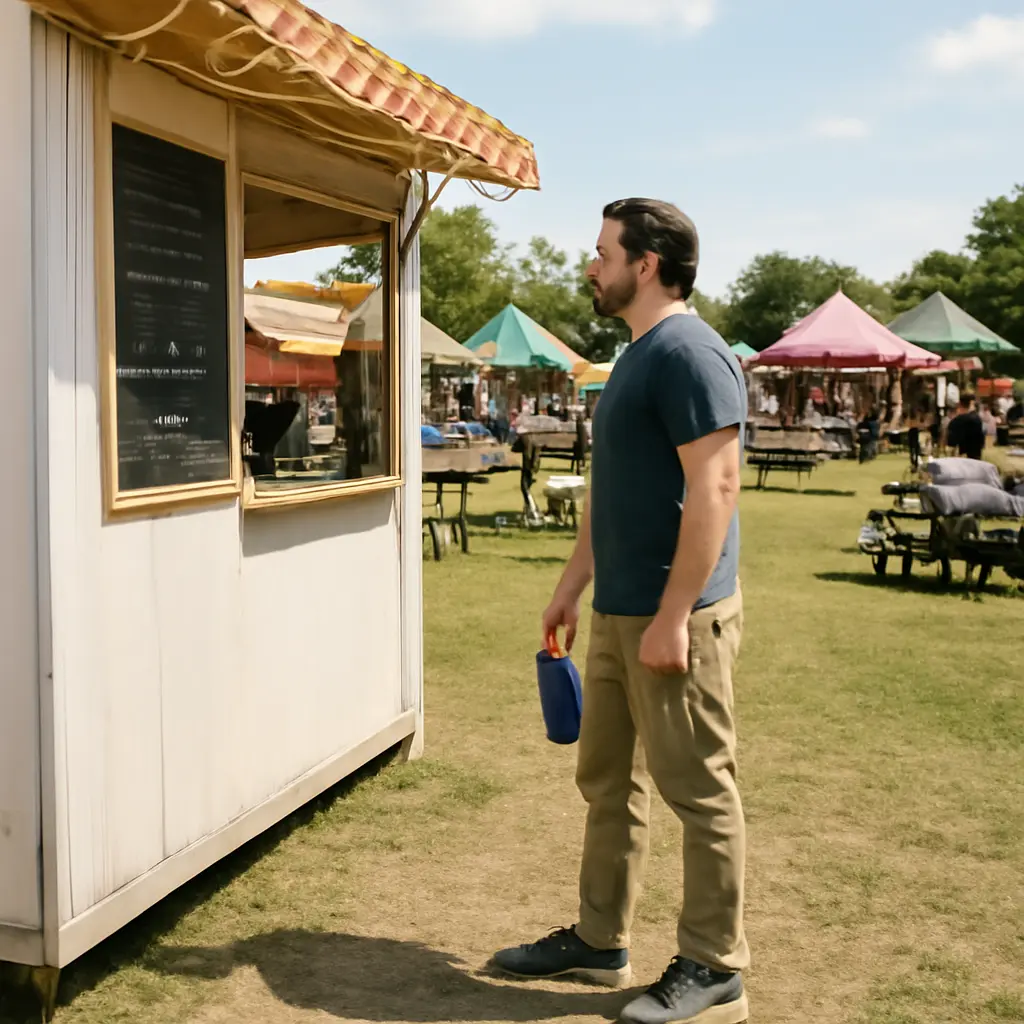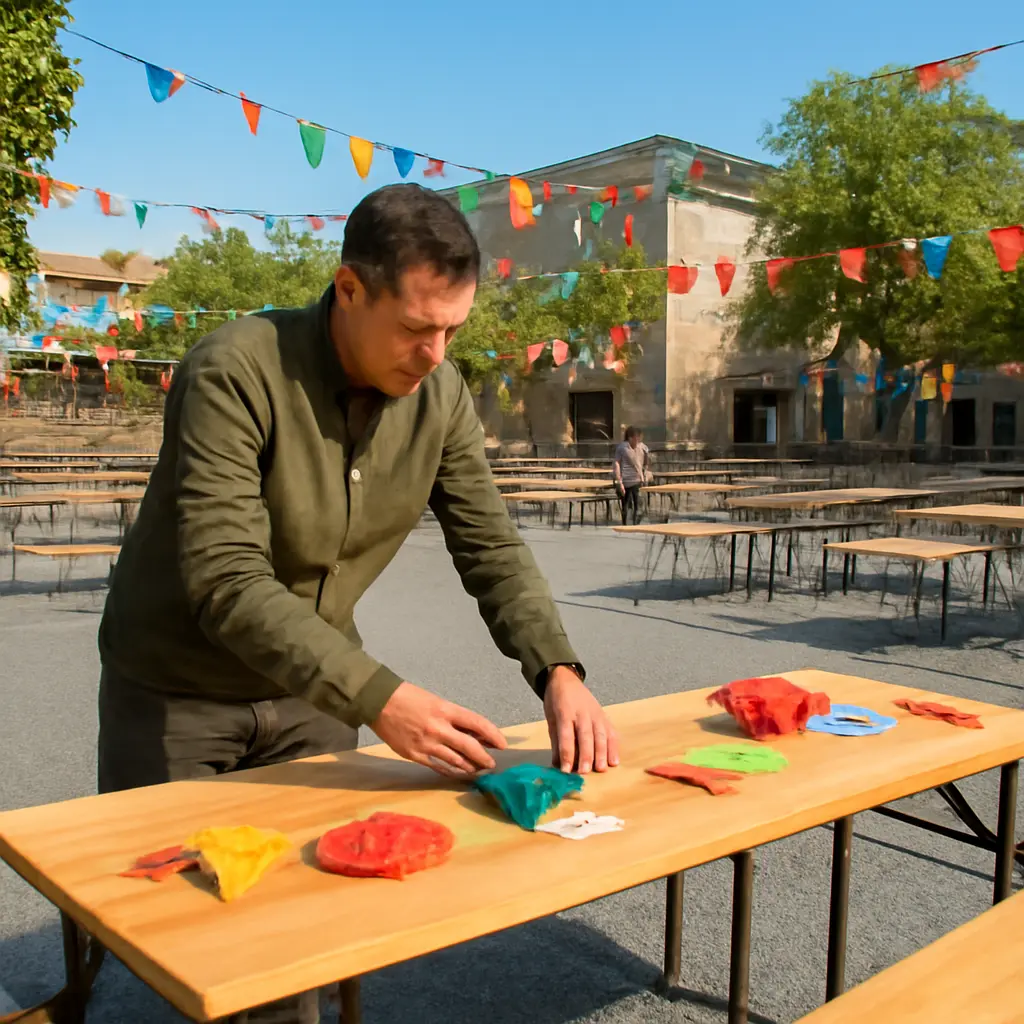
Festivals turn ordinary actions—sharing a meal, lighting a candle, singing together, or walking a familiar route—into memorable experiences by repeating them in a meaningful social setting. Festival rituals are patterned practices that communities associate with shared beliefs, identity, and belonging; research on collective rituals suggests that synchronized participation can strengthen social connection, while UNESCO’s documentation of living heritage shows how festivals pass skills and traditions between generations. From family customs and public processions to music, food, and remembrance, these rituals help explain why a brief celebration can leave lasting personal and community memories.
How Festival Rituals Transform Ordinary Moments Into Lasting Memories
Festival rituals are not limited to religious ceremonies. They include repeated, recognizable practices performed around a festival: preparing a traditional dish, dressing in particular colors, exchanging gifts, decorating a shared space, or gathering at a set time. Their importance lies in how they give everyday actions a special frame. A meal becomes a family tradition; a song becomes a marker of community; a yearly journey becomes a memory that connects generations.
The scale of festivals makes this more than a private experience. The United Nations Educational, Scientific and Cultural Organization (UNESCO) describes intangible cultural heritage as practices, knowledge, and skills that communities recognize as part of their heritage and transmit across generations. Its Representative List includes festivals and festive events such as Spain’s Fallas of Valencia and India’s Durga Puja in Kolkata. These examples show how recurring rituals can preserve cultural knowledge while creating vivid, shared occasions. The sections below explain how repetition, sensory cues, collective participation, and intergenerational teaching turn ordinary moments into durable memories.
Build Shared Meaning Through Festival Ritual Repetition
A festival ritual is a culturally recognized, repeated action that marks an occasion and gives participants a shared way to express meaning. Sociologist Émile Durkheim argued that collective ceremonies renew a group’s sense of belonging; anthropologist Victor Turner later examined how ritual events can temporarily reshape social relationships and create a sense of communitas, or shared fellowship. These perspectives help explain why a familiar action can feel different when performed with others at a festival.
Rituals vary in form, but commonly include domestic customs, religious observances, public processions, performances, and food traditions. Repetition supplies familiarity, while a festival’s setting gives the act significance. The same distinction can be seen in the way families repeat a holiday recipe or neighbors meet annually for a parade: the action is practical, but its timing and shared meaning make it memorable.
Recurring Customs Turn Actions Into Personal Milestones
A recurring custom is a repeated practice tied to a particular day, season, or family gathering. Examples include lighting lamps, decorating a tree, setting aside a special meal, or visiting relatives. The repeated sequence offers a predictable structure, and small variations—who leads the activity, which recipe is used, or what has changed since last year—help participants notice the passage of time.
Research on family routines and rituals distinguishes ordinary routines from rituals partly by the meaning participants attach to them. A routine organizes everyday life; a ritual is more likely to carry symbolic or emotional significance. This distinction helps explain why a familiar meal may remain vivid in memory: it represents not just food, but a particular place, person, or period of life.
Religious Observances Connect the Present With Tradition
Religious festival rituals are practices that express faith and connect participants to sacred stories, calendars, or communities. They may involve prayer, fasting, offerings, candle lighting, processions, or communal meals. These acts can make abstract beliefs tangible by locating them in a repeated sequence that people can see, hear, taste, and perform.
UNESCO’s descriptions of living heritage emphasize that traditions are continually recreated by communities rather than simply preserved unchanged. That principle applies to religious festivals as families and communities adapt observances to new places, generations, and circumstances while retaining recognizable elements. The ritual’s combination of continuity and adaptation can make it meaningful to both long-time participants and newcomers.
Processions and Public Gatherings Make Belonging Visible
A procession is an organized movement through public space, often accompanied by music, costumes, symbols, or ceremonial objects. It transforms streets into a temporary stage where a community’s history and identity become visible. Participants may walk, watch, carry objects, or help organize the event; each role offers a different way to take part.
UNESCO’s account of the Fallas of Valencia describes a festival that combines artistic monuments, neighborhood participation, and public celebration before the figures are ceremonially burned. The annual sequence makes the event both a spectacle and a shared act of creation and renewal. Public rituals can therefore create memories not only through what people see, but through their own contribution to the event.
Whether a ritual is private, sacred, or public, its meaning is strengthened by the senses. Sound, scent, color, taste, and touch give participants specific cues that can bring an experience back to mind later.
Strengthen Festival Memories Through Sensory Cues
Sensory cues are details—such as music, food aromas, costumes, lights, or textures—that help people recognize and recall an experience. They make a festival distinctive from an ordinary day and provide concrete anchors for memory. The American Psychological Association’s discussion of memory describes how encoding and later retrieval depend on information and cues; a familiar song or smell can help prompt recollection, although individual responses differ.
Sensory intensity alone does not guarantee a lasting memory. Meaning, attention, emotion, and social context also matter. But when a cue recurs each year and is linked to a valued gathering, it can become a reliable signal that the festival has begun.
Festival Music and Dance Synchronize Attention
Festival music and dance are shared performances that coordinate attention and movement. People who sing a familiar refrain, clap to a beat, or dance in a group take part in a common rhythm. A 2015 study by researchers E. W. Tarr, J. Launay, and R. I. M. Dunbar, published in the journal Evolution and Human Behavior, examined group movement and social bonding, adding to research that links synchrony with affiliation and cooperation.
The practical effect is easy to observe at a festival: music gives a crowd a common focus, while dance turns spectators into participants. A repeated melody may later evoke not only the performance but also who was present, where people stood, and how the event felt.
Traditional Foods Carry Family and Place
Festival food is a dish, ingredient, or shared meal associated with a celebration. Preparing and eating it can transmit knowledge about local ingredients, techniques, family histories, and seasonal practices. The work of cooking also creates opportunities for people to talk, teach, and participate together.
UNESCO’s Representative List includes food-related heritage such as the gastronomic meal of the French, which recognizes shared practices around preparation, presentation, and eating. The example illustrates that food traditions are not simply recipes: they include the social customs that give a meal its meaning. A familiar taste or aroma can thus serve as a sensory reminder of a particular celebration and the people who shared it.
Costumes, Colors, and Decorations Mark Festival Time
Costumes and decorations are visible symbols that distinguish festival time from ordinary time. Special clothing, lanterns, flowers, masks, or temporary installations can communicate local identity and signal participation. Making or displaying them may itself become a ritual, especially when families or community groups repeat the task each year.
UNESCO’s documentation of Durga Puja in Kolkata highlights the creation of elaborate temporary structures and artistic installations, along with the community’s participation in the celebration. Such visual markers help people recognize the festival in public space and create a setting that is different from daily life. Photographs and shared stories can preserve those visual impressions, but the making and viewing of the decorations are also part of the memory.
Sensory cues make a festival easier to recognize and recall. Their social significance grows further when people experience them together, creating common reference points that can be retold long after the event.
Create Collective Memory Through Festival Participation
Collective memory is the way groups interpret and share accounts of the past. Festivals contribute to it by bringing people together around repeated stories, symbols, and actions. The event becomes a reference point—“the year we built the float,” “the first time the children joined the procession,” or “the celebration after the community returned”—that participants can revisit through conversation.
Social participation matters because people often remember experiences through both personal recollection and later discussion. A festival offers multiple roles, from organizing and performing to preparing food and observing. These roles can help people feel that a memory belongs to them as well as to the group.
Shared Work Turns Observers Into Contributors
Shared work is the practical collaboration involved in preparing or carrying out a festival. Volunteers may build decorations, cook, rehearse, guide visitors, or clean afterward. This work gives participants a stake in the event and creates stories about effort, problem-solving, and cooperation—not just the public celebration itself.
The 2016 UNESCO inscription of Durga Puja in Kolkata recognizes the festival’s extensive involvement of communities, artists, and craftspeople. Its example shows how preparation can be culturally significant in its own right. When people contribute skills and time, the festival’s meaning is reinforced through participation rather than consumption alone.
Annual Celebrations Build a Timeline Across Generations
An annual celebration is a recurring event that allows participants to compare the present with earlier occasions. Repeated landmarks—an opening ceremony, a family gathering, a seasonal dish, or a familiar route—create a framework for remembering change. Children may inherit the same practice but experience it differently as they grow older and take on new responsibilities.
UNESCO describes intangible heritage as living knowledge transmitted and recreated over time. That idea is visible when an older relative teaches a recipe, a performer teaches a dance, or a community explains the meaning of a procession to younger participants. Each generation receives a tradition and also helps shape how it will continue.
Commemorative Rituals Help Communities Interpret History
Commemorative rituals are repeated acts that honor an event, person, or shared history. They may include moments of silence, memorial processions, readings, offerings, or the maintenance of a meaningful site. Such observances help communities give public form to remembrance and create occasions for people to reflect together.
Commemoration can be complex: communities may disagree about which histories are represented or how a ritual should change. Careful listening and inclusive participation help ensure that a festival’s shared memory does not erase less-heard experiences. When traditions are discussed openly, they can remain meaningful without being treated as fixed or beyond revision.
Collective memory explains why festival rituals can matter beyond a single gathering. Yet their lasting value depends on how communities sustain them, welcome participation, and adapt them responsibly.
Sustain Festival Rituals Through Inclusion and Adaptation
Sustaining a festival ritual means keeping its knowledge, participation, and meaning viable as circumstances change. UNESCO’s 2003 Convention for the Safeguarding of the Intangible Cultural Heritage emphasizes safeguarding through identification, documentation, research, preservation, promotion, transmission, and revitalization. In practice, safeguarding is not simply freezing a custom in its past form; communities remain central to deciding how it is practiced and passed on.
Festivals may need to respond to migration, accessibility needs, environmental pressures, public safety, or changing beliefs. Adaptation can preserve a ritual’s core meaning while making participation possible for more people. It can also reduce harm—for example, through safer materials, less waste, accessible routes, or alternative ways to take part.
Intergenerational Teaching Keeps Skills in Use
Intergenerational teaching is the transfer of practical and cultural knowledge between age groups. Festival settings can make this teaching informal and hands-on: a child learns a song by joining in, a teenager learns to prepare a dish beside a relative, or an apprentice learns how to make a ceremonial object.
UNESCO’s living-heritage framework identifies transmission as essential to continuity. Documentation can help record a practice, but participation is what allows people to learn its timing, context, and social meaning. Communities can support this process by creating opportunities for young people to contribute rather than only observe.
Inclusive Design Broadens Who Can Participate
Inclusive festival design considers who can access, understand, and take part in an event. Clear information, step-free routes, quiet spaces, interpretation, flexible roles, and affordable activities can reduce barriers. Organizers can consult community members directly, since accessibility needs and cultural expectations vary.
Inclusion strengthens shared memory by enabling a wider range of people to contribute their perspectives and traditions. It does not require every participant to perform the same ritual in the same way. A meaningful festival can offer different forms of involvement while respecting the practice’s cultural context.
Thoughtful Adaptation Protects Meaning While Reducing Harm
Thoughtful adaptation changes a festival practice in response to present-day realities while considering what participants regard as essential. Examples include replacing hazardous materials, reducing single-use decorations, adjusting event routes, or offering digital access alongside in-person gatherings. The community should guide such decisions, especially where a change touches sacred or culturally sensitive elements.
A useful approach is to ask participants what the ritual means, which elements carry that meaning, who may be excluded, and what impacts the event creates. Those questions help organizers distinguish a tradition’s purpose from one particular way of carrying it out. This makes continuity more resilient and can keep the festival meaningful for future participants.
Conclusion: Small Rituals Make Festivals Memorable
Festival rituals transform ordinary moments through repetition, shared meaning, and sensory detail. Recurring customs and religious observances connect people to tradition; music, food, and visual symbols give memories vivid cues; public participation and shared work create collective reference points; and intergenerational teaching carries practices forward. UNESCO’s living-heritage framework reinforces that festivals remain alive when communities continue to practice, transmit, and thoughtfully adapt them.
To make a celebration more memorable, choose a simple ritual people can help shape, explain its meaning, and create ways for different generations and abilities to participate. Record the stories and skills participants want to pass on, while allowing traditions to evolve with care. A festival’s lasting power often begins with an ordinary act—repeated together until it becomes part of a community’s story.
Sources: UNESCO, “Intangible Cultural Heritage,” https://ich.unesco.org/en/what-is-intangible-heritage-00003; UNESCO, “Convention for the Safeguarding of the Intangible Cultural Heritage,” https://ich.unesco.org/en/convention; UNESCO, “Fallas of Valencia,” https://ich.unesco.org/en/RL/fallas-festival-of-valencia-00859; UNESCO, “Durga Puja in Kolkata,” https://ich.unesco.org/en/RL/durga-puja-in-kolkata-01063; UNESCO, “Gastronomic Meal of the French,” https://ich.unesco.org/en/RL/gastronomic-meal-of-the-french-00437; Tarr, E. W., Launay, J., and Dunbar, R. I. M., “Music and social bonding: ‘self-other’ merging and neurohormonal mechanisms,” Evolution and Human Behavior, 2015, https://doi.org/10.1016/j.evolhumbehav.2015.02.007; American Psychological Association, “Memory,” APA Dictionary of Psychology, https://dictionary.apa.org/memory; Fiese, B. H. et al., “A review of 50 years of research on naturally occurring family routines and rituals: cause for celebration?” Journal of Family Psychology, 2002, https://doi.org/10.1037/0893-3200.16.4.381.